Phoenix, Arizona
(480) 206-4507sales@santechservices.comCustomer PortalLMS Login
SANTECH
Services
Products & Services
About
Customers
Resources
Contact
Get a Quote
Get Started

Ready to Elevate Your
Technical Operations?

Let's discuss how SANTECH can support your documentation and training needs.

Request A Quote
SANTECH
Services

Providing high-quality technical documentation, instructor-led training, and tailored eLearning solutions for technology-oriented organizations.

(480) 206-4507sales@santechservices.com
Phoenix, AZ

Products & Services

  • Training Platform
  • Technical Documentation
  • In-Person Training
  • eLearning
  • Video Production

Company

  • About Us
  • Customers

Resources

  • Resource Library
  • Request a Proposal
  • Customer Portal
  • Contact Us

Newsletter

Stay updated with our latest insights.

© 2026 SANTECH Services. All rights reserved.

Privacy PolicyTerms of Service
Build vs. Outsource: The Real Cost of Producing Documentation and Training In-House
Back to Resources
Documentation

Build vs. Outsource: The Real Cost of Producing Documentation and Training In-House

February 21, 20266 min readSANTECH Team

The instinct to handle documentation and training internally is understandable. It's your equipment, your processes, your customers — who better to create the manuals and training programs than the people who know the product? But most organizations that go down this path underestimate the true cost. Not just the line items on a budget, but the hidden costs that don't show up until the project is over and the damage is done.

The Visible Costs

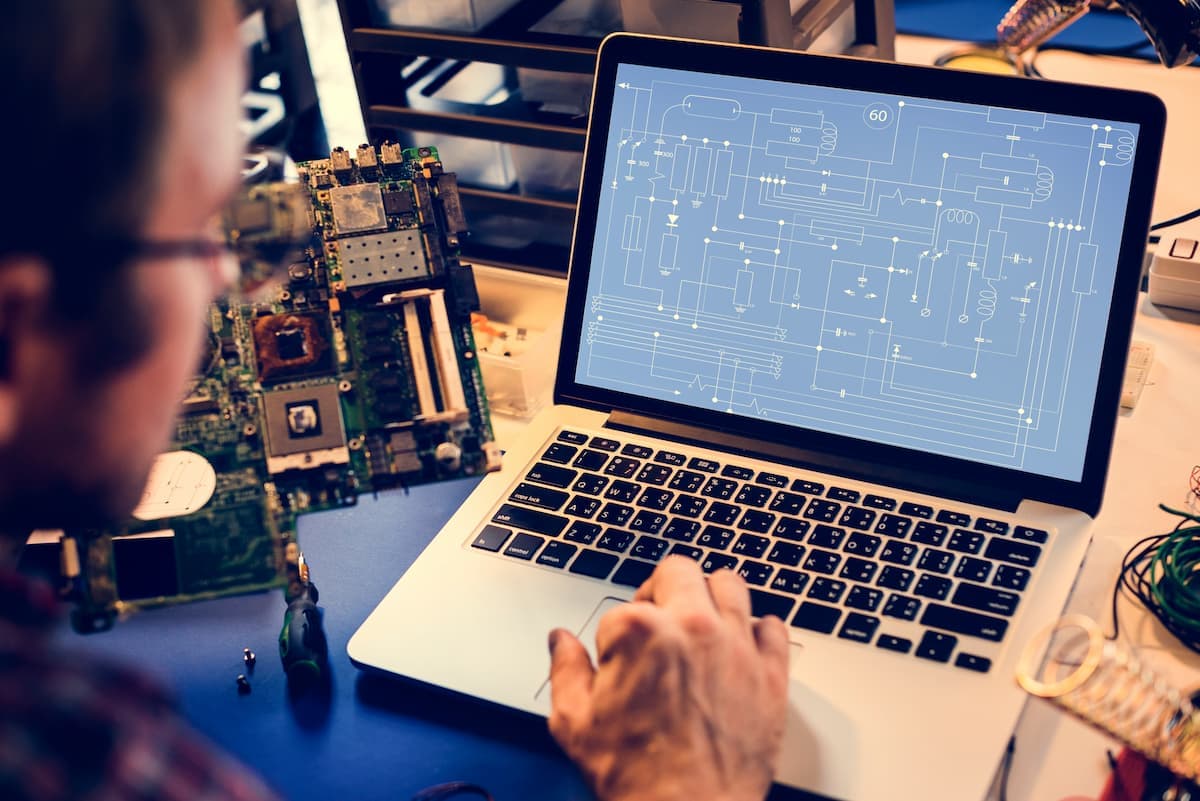
Start with what you can see: salaries for writers or trainers, authoring tools and software licenses, LMS platforms, review cycles, and production time. These are the numbers that make it onto a spreadsheet. Tool costs alone add up quickly — professional authoring platforms, illustration software, eLearning development tools, and video production equipment aren't cheap, and they require people who know how to use them. But the visible costs are the smaller part of the picture.

The Hidden Costs

The real expense of in-house documentation isn't in the budget — it's in the disruption. Here's what organizations typically don't account for:

  • Engineer time diverted from engineering. When your engineers are writing manuals, they're not designing, building, or commissioning. That's billable time redirected to a task that isn't their specialty.
  • Ramp-up time for writers who don't know the equipment. Even experienced technical writers need weeks to get up to speed on a new system. If you're hiring or reassigning someone, that learning curve is a project cost.
  • Rework from inconsistent quality. When documentation is produced by different people with different standards, the result is inconsistent — and inconsistency triggers rework, customer complaints, and support calls.
  • Missed deadlines that delay project closeout. Documentation is often the last deliverable on a project. When it slips, it holds up commissioning, training, and final payment.

These costs are real, but because they're spread across departments and buried in project timelines, they rarely get attributed to documentation. The result is that in-house documentation looks cheaper than it actually is.

The Opportunity Cost

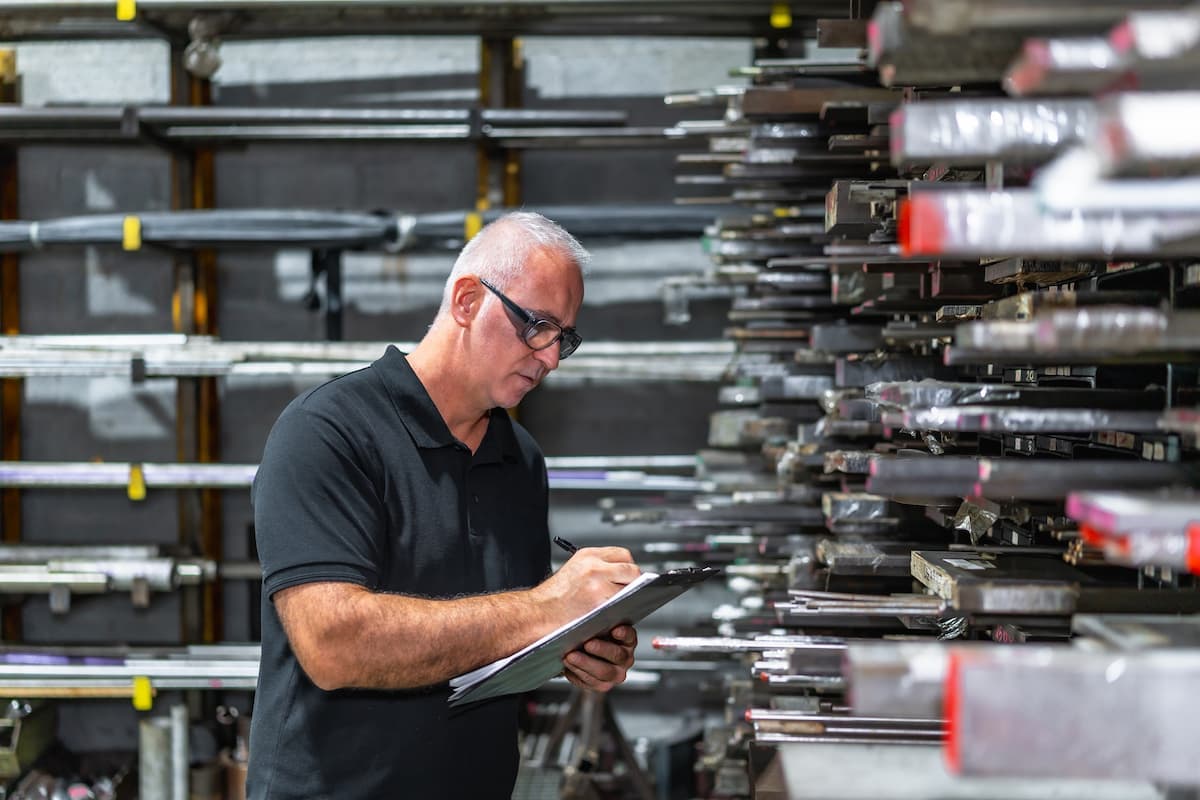
Every hour an engineer spends writing a manual is an hour not spent on engineering. For most organizations, engineers and PMs are the scarcest resource on a project. Redirecting their time to documentation doesn't just cost you their hourly rate — it costs you throughput. Fewer projects delivered, longer timelines, and less capacity to take on new work.

When In-House Makes Sense

To be fair, if you have a dedicated documentation team with established tools, processes, and standards — and a steady workload to keep them utilized — in-house production can work. The key question is whether you actually have that infrastructure, or whether you're asking engineers to write manuals on top of their real jobs.

There's another factor: end-user specifications. Many end users have stringent requirements for documentation format, structure, and compliance. Integrators who produce deliverables in-house often underestimate the effort, take a bare-minimum approach, and end up with rejections and rework.

When Outsourcing Wins

Outsourcing documentation and training tends to be the better choice when one or more of the following is true:

  • The work is project-based rather than continuous. You need a full documentation set for a new installation, but you don't have enough ongoing work to justify a full-time team.
  • You don't have an existing documentation team. Hiring, training, and equipping a team for a single project is almost never cost-effective.
  • Timelines are tight. An experienced documentation partner can mobilize quickly and work in parallel with your engineering and commissioning teams.
  • The scope requires specialists. S1000D-compliant documentation, interactive eLearning, instructor-led training programs — these require specific skills and tools that generalists don't have.
  • You want variable cost, not fixed overhead. Outsourcing converts documentation from a fixed payroll expense to a project cost that scales with your actual workload.

In these scenarios, outsourcing isn't just cheaper — it's faster, more predictable, and produces a better result. You're paying for a team that already has the tools, the processes, and the experience to deliver professional documentation without the ramp-up.

What to Look For in a Partner

Not all documentation providers are equal. When evaluating a partner, look for the following:

  • Industry experience. A partner who understands industrial equipment, automation, and field maintenance will produce better content faster than one learning your domain on your dime.
  • Tool proficiency. Professional documentation requires professional tools — structured authoring platforms, illustration software, eLearning development environments. Your partner should already have them and know how to use them.
  • Proposal-ready deliverables. The best partners can show you examples of what the final product will look like before the project starts. If they can't, that's a red flag.
  • Ability to scale. Your documentation needs will fluctuate. A good partner can ramp up for a large project and scale back when the work is done, without you carrying the overhead in between.

At SANTECH, this is exactly the model we operate. We work with OEMs and system integrators who need professional documentation and training delivered on project timelines — without building and maintaining an internal team to do it. Our clients get the expertise, the tools, and the capacity they need, precisely when they need it. If you're weighing the build-vs.-outsource decision for an upcoming project, we're happy to walk through the numbers with you.

Need help with documentation?

Let’s discuss how SANTECH can help modernize your technical documentation and training programs.

Get in Touch
Keep Reading

Related Articles

How to Evaluate a Documentation and Training Partner
Documentation
February 21, 20267 min read

How to Evaluate a Documentation and Training Partner

Choosing the wrong documentation partner is expensive. Here's how to evaluate them before the contract is signed.

Read This Article
Why Documentation Strategy Is the Competitive Edge Most OEMs Ignore
Documentation
February 15, 20265 min read

Why Documentation Strategy Is the Competitive Edge Most OEMs Ignore

Structured authoring, single-source publishing, and scalable content strategies are turning documentation from a cost center into a competitive differentiator.

Read This Article
IETMs Have Outgrown the Manual — Here's What They're Becoming
Documentation
February 18, 20266 min read

IETMs Have Outgrown the Manual — Here's What They're Becoming

Interactive Electronic Technical Manuals started as searchable PDFs. Now they're evolving into intelligent platforms that blend documentation, diagnostics, and training into one system.

Read This Article
Your AI Agent Is Only as Good as Your Documentation and Training
Training
February 1, 20266 min read

Your AI Agent Is Only as Good as Your Documentation and Training

Everyone's talking about AI agents for maintenance. Nobody's talking about what those agents actually need to work: structured documentation and well-designed training content.

Read This Article
Measuring ROI on eLearning Investments in Manufacturing
eLearning
January 20, 20266 min read

Measuring ROI on eLearning Investments in Manufacturing

Key metrics and strategies for demonstrating the value of digital learning programs in industrial settings.

Read This Article
Your Engineers Are Not Your Documentation Team
Documentation
February 21, 20266 min read

Your Engineers Are Not Your Documentation Team

When engineers and project managers are pulled off core work to produce manuals and training materials, the costs show up in every part of the business.

Read This Article
When Documentation Is the Bottleneck, Quality Is the First Casualty
Documentation
February 21, 20266 min read

When Documentation Is the Bottleneck, Quality Is the First Casualty

Timeline pressure and documentation quality are connected. When docs are always the last thing finished, they're also the least likely to be finished well.

Read This Article
The Hidden Costs of Documentation Nobody Is Tracking
Documentation
February 21, 20266 min read

The Hidden Costs of Documentation Nobody Is Tracking

Most organizations can't tell you what documentation actually costs. That gap between perception and reality is quietly eroding project margins.

Read This Article
Meeting Customer Documentation Specs Without the Rework Cycle
Documentation
February 21, 20265 min read

Meeting Customer Documentation Specs Without the Rework Cycle

When customer documentation requirements are unclear or underestimated, the result is rework, delays, and strained relationships.

Read This Article
Customer Training Is Not a Cost Center — It Is a Competitive Advantage
Training
February 21, 20266 min read

Customer Training Is Not a Cost Center — It Is a Competitive Advantage

OEMs that treat customer training as an afterthought are leaving revenue on the table and creating support burdens they don't need to have.

Read This Article
When Vendor Documentation Is Not Enough: Filling the Gaps Your Teams Live With
Documentation
February 21, 20266 min read

When Vendor Documentation Is Not Enough: Filling the Gaps Your Teams Live With

Most operations teams know the problem: vendor documentation that's inconsistent, incomplete, or impossible to apply to your actual operating environment.

Read This Article
Tribal Knowledge Is Not a Training Program
Training
February 21, 20267 min read

Tribal Knowledge Is Not a Training Program

When your organization's operational know-how lives in people's heads instead of documented procedures and training programs, every departure is a loss.

Read This Article
Compliance Documentation Gaps Are a Risk You Can't Afford to Ignore
Documentation
February 21, 20265 min read

Compliance Documentation Gaps Are a Risk You Can't Afford to Ignore

When your documentation doesn't meet current regulatory and safety requirements, the risk isn't theoretical — it's operational, legal, and financial.

Read This Article
Why Generic LMS Platforms Fail in Warehouses and Distribution Centers
eLearning
March 10, 20268 min read

Why Generic LMS Platforms Fail in Warehouses and Distribution Centers

Most LMS platforms were designed for office workers taking compliance courses. Here's why that model breaks down on the warehouse floor – and what to look for instead.

Read This Article
The Real Cost of Untrained Sortation Operators
Training
March 5, 20267 min read

The Real Cost of Untrained Sortation Operators

Untrained operators don't just make mistakes – they create compounding costs across safety, throughput, equipment, and compliance. Here's what the numbers actually look like.

Read This Article
LMS Administration: Who Actually Runs Your Training Platform?
eLearning
February 28, 20266 min read

LMS Administration: Who Actually Runs Your Training Platform?

You bought the LMS. You loaded the courses. Six months later, nobody's updating it. Here's why LMS administration is the hidden bottleneck – and how to solve it.

Read This Article
Blended Learning: Why the Best Industrial Training Programs Use Both eLearning and Hands-On
eLearning
March 10, 20267 min read

Blended Learning: Why the Best Industrial Training Programs Use Both eLearning and Hands-On

eLearning handles the knowledge. In-person handles the equipment. Here's how blended learning programs reduce training time while improving technician readiness.

Read This Article
Why You Should Be Filming Your Maintenance Procedures
Video
March 28, 20267 min read

Why You Should Be Filming Your Maintenance Procedures

Written SOPs only go so far. Video captures what text can't — and your technicians will thank you for it.

Read This Article